Why 2026 Needs Advanced Engine Optimization Strategies

The Shift Toward Verified Effectiveness in 2026
Automated link structure has actually gone through considerable changes as we move through 2026. The days of simply letting a spider run wild throughout the web to discover targets are largely over for professionals who value their time and server resources. While GSA Browse Engine Ranker remains a staple in the toolkit of lots of SEO experts, the methodology of how it is fed data has divided into 2 unique camps: those who scrape their own lists and those who use validated link lists. In the current environment, the technical and economic advantages of verified lists have actually become too big to neglect.
During 2026, search engines and web hosting companies have actually carried out sophisticated bot detection systems that make real-time scraping far more challenging than it was even a couple of years earlier. Scraping for fresh footprints needs an enormous financial investment in property proxies and high-performance CPUs. For many operators, this produces a traffic jam where the software invests 90 percent of its time looking for websites and only 10 percent in fact publishing links. Confirmed lists flip this ratio, permitting the software application to focus entirely on the submission process. This shift in resource allocation is the primary reason why confirmed lists now control the market for high-volume SEO projects.
Technical Limitations of Scraped Lists in 2026
Scraping is essentially a discovery objective. When GSA SER is set to scrape its own targets, it uses search engine footprints to discover prospective platforms. Nevertheless, by 2026, major online search engine have tightened their rate limits substantially. Even with a large pool of proxies, the variety of queries required to discover a single "postable" URL has actually increased fivefold. This causes a high "burn rate" for proxies, where IPs are flagged and obstructed before they can return meaningful outcomes. The expense of maintaining a proxy pool efficient in scraping countless URLs daily often exceeds the expense of acquiring a premium validated list subscription.
The quality of scraped information has likewise decreased. A considerable portion of the URLs returned by online search engine in 2026 are either secured by innovative captchas, use hidden "honeypot" fields to trap bots, or belong to dead domains that haven't been purged from the index. When the software application attempts to publish to these scrap targets, it wastes bandwidth and processing power. This leads to a low Hyperlinks Per Minute (LPM) count, which is a key metric for anybody managing large-scale SEO projects. Utilizing Asia Virtual Solutions Solutions assists keep a high LPM by making sure that every URL the software application touches has already been pre-screened for compatibility and successful publishing.
Allocating Resources for https://asiavirtualsolutions.com/asia-virtual-solutions-link-list-question-in-gsa-forum-answered/
Efficiency in 2026 is measured by just how much "verified" success a server can produce in a 24-hour window. When utilizing scraped lists, a standard VPS might struggle to maintain an LPM of 20 or 30 because it is bogged down by the discovery stage. By changing to a confirmed list, that same server can often reach an LPM of 200 or 300. This is because the software application is no longer checking if a website exists or if it has a specific engine; it is simply carrying out the post. This permits experts to scale their operations without requiring to purchase more servers or more pricey hardware.
Server overhead is a surprise expense that lots of beginners neglect. Scraping is CPU-intensive. It requires the software to parse thousands of HTML pages every minute to recognize footprints. In contrast, running a confirmed list is primarily a memory and bandwidth task. By reducing the CPU load, the software remains stable for longer durations, with less crashes and less "thread freezing." This stability is essential for keeping long-lasting campaigns that require constant link velocity to remain competitive in the 2026 search results page.
The Mathematical Advantage of Verified Success Rates
The core of the argument for confirmed lists lies in the success-to-failure ratio. In 2026, a typical scraped list may have a success rate of 1 percent or less. This implies for each 1,000 URLs the software attempts to post to, just 10 lead to a live link. The other 990 efforts are lost time, squandered proxy information, and wasted captcha solving costs. Verified lists are developed by constantly testing targets and moving effective ones into a different file. A high-quality list service provider in 2026 usually uses lists with success rates in between 30 and 50 percent.
When the success rate is that high, the cost per link drops dramatically. Consider the expense of captcha fixing. If the software application is blindly attempting to solve captchas on websites that are broken or have currently disabled registrations, the operator is actually tossing money away. Verified lists ensure that captcha fixing credits are only used on websites where a link is actually possible. For those managing Asia Virtual Solutions Solutions, this reduction in lost invest is frequently enough to spend for the list membership itself. The concentrate on link quality ends up being a lot easier when the "trash" has actually currently been removed by the service provider.
Optimizing Remote Servers for Speed
Place and connectivity still matter in 2026. Lots of verified list providers host their information on high-speed servers in major data centers. When GSA SER syncs with these lists, it draws in thousands of fresh targets every hour. To optimize this, operators should guarantee their GSA SER circumstances is working on a machine with a minimum of 1 Gbps connection and at least 16 GB of RAM. This setup permits the software to deal with the massive increase of data without bottlenecking.
Another factor is making use of "Identify Just" mode. Some professionals utilize validated lists to quickly recognize which engines are currently most active. By running a confirmed list through GSA SER in "Identify" mode, the operator can see which platforms are responding fastest in 2026. This data can then be utilized to fine-tune job settings, such as increasing threads for fast-responding Wiki engines while decreasing threads for slower Online forum engines. This level of granular control is only possible when working with a pre-validated data set.
Footprint Management and Search Engine Level Of Sensitivity
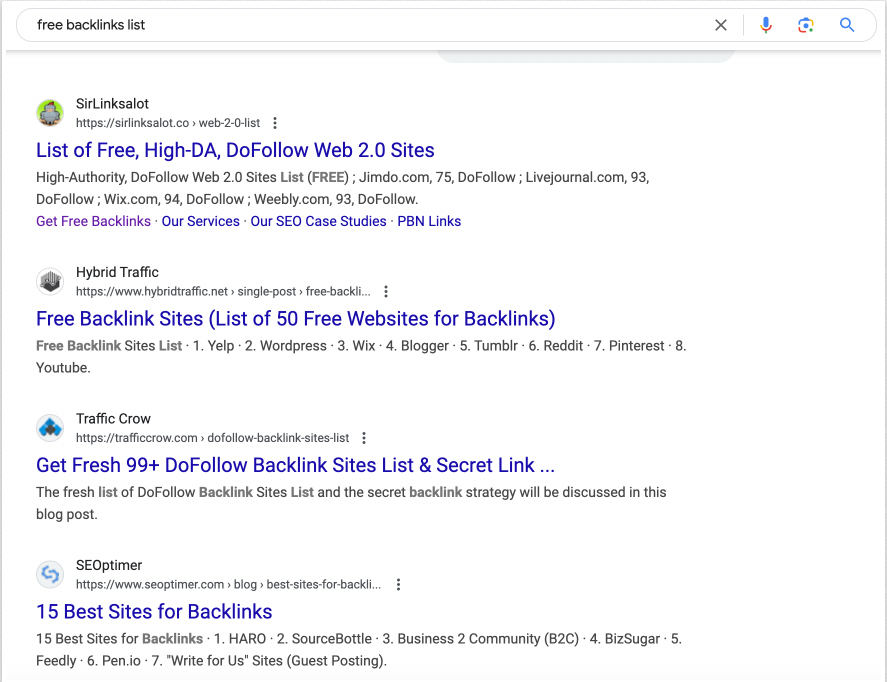
Search engine algorithms in 2026 are incredibly delicate to footprints. If thousands of sites are all receiving the exact same kind of link at the very same time from the same source, it creates a pattern that is easy to discount rate or penalize. Scraped lists often cause this problem due to the fact that everyone using the same footprints finds the same "low-hanging fruit" sites. This causes these websites ending up being over-spammed and losing their SEO worth quickly.
Validated list companies often turn their targets and use personal footprints that aren't commonly known. This assists disperse the links across a broader variety of domains and platforms. By utilizing a list that is routinely upgraded, an operator ensures their links are being put on websites that aren't yet filled. This variety is key to developing a backlink profile that looks natural to the 2026 indexing bots. Rather of having 5,000 links on the same 50 Guestbook engines, a verified list may provide 5,000 links throughout 500 various engines and sub-platforms.
- Minimized proxy usage by bypassing the online search engine scraping stage.
- Lower CPU usage, permitting for more projects per server.
- Higher LPM (Links Per Minute) through pre-validated targets.
- Much better captcha economy by preventing broken or dead submission forms.
- Improved link variety via rotated and personal footprints.
The Future of Automation in 2026
The trend toward data-driven automation is not decreasing. As we take a look at the rest of 2026, the space between "enthusiast" scraping and "expert" list use continues to broaden. The level of technical elegance required to scrape efficiently has actually reached a point where it is no longer a viable solo activity for the majority of SEO professionals. Contracting out the "discovery" part of the procedure to a dedicated list supplier is just a smart service decision. It allows the practitioner to concentrate on method, content, and conversion instead of fixing proxy mistakes and footprint filters.
Success in 2026 needs a lean method to technical SEO. Every megabyte of data and every CPU cycle need to be accounted for. Validated lists provide the most direct path to high-volume link building without the baggage of manual scraping. For those looking to get the most out of GSA SER, the data is clear: the efficiency of a pre-verified target list far exceeds the perceived cost savings of scraping. In the competitive environment of 2026, speed and dependability are the only metrics that genuinely figure out the success of an automated project.
While scraping will always have a small place for those searching for hyper-niche targets, the bulk of the work is now dealt with by verified lists. This shift represents a maturation of the SEO market, moving far from "brute force" techniques toward a more refined and resource-conscious design. Experts who adjust to this model are the ones who will continue to see results as the digital field ends up being much more intricate.