Mastering Intricate Link Platforms with Upgraded Configurations

Refining Engine Precision for automated link building in 2026
Automated link building has actually undergone a significant shift as web technologies have actually advanced into 2026. GSA Search Engine Ranker stays a main tool for those who understand that success no longer originates from high-volume blasts however from the technical precision of engine configurations. The method the software determines, connects with, and successfully sends data to numerous platforms depends totally on the underlying engine files. These configurations act as the instructions that inform the software application how to navigate the complex structures of modern-day sites, many of which now use advanced script security and non-standard HTML designs.
The standard engines that come pre-installed are frequently simply a starting point. In 2026, the most efficient operators are those who personalize these meanings to match the present state of web development. As more sites adopt single-page application structures and shadow DOM components, the old method of trying to find a simple "input" tag with a name characteristic is frequently inadequate. Modern engine configurations need to account for these layers of complexity by utilizing more specific search patterns and logic. This technical change guarantees that the software identifies the correct type fields even when they are buried deep within embedded containers or created on the fly by scripts.
The Architecture of Modern Configuration Files in international markets
Every engine within the software application is specified by a series of criteria that manage the habits of the bot. These criteria consist of the recognition of the submission page, the detection of effective posts, and the handling of error messages. In 2026, the significance of the success_regex can not be overstated. With lots of platforms using silent failures or rerouting bots to "thank you" pages that do not really show a live link, improving the regular expressions used to confirm an effective submission is essential for keeping a tidy information set. An inadequately configured success check results in the software application reporting countless links that do not exist, which skews efficiency metrics and wastes resources.
Advanced users are now spending more time in the Engine Editor, a built-in utility that permits the modification of these instruction sets. By changing the "Should Have" and "Should Not Have" strings, an operator can filter out low-quality targets before the software application even tries a submission. For example, if a platform has upgraded its security to consist of a specific kind of unnoticeable honeypot, the engine configuration can be upgraded to overlook that specific field or to supply a worth that pleases the website's security logic. Developing a strategy for Michael Swart Course requires a technical grasp of these setup files to make sure the software stays effective versus updated defenses.
Data Management and Proxy Effectiveness in any region
The relationship between engine configurations and proxy use has ended up being much tighter in 2026. Websites are now faster at determining bot-like behavior based on how rapidly a type is filled out or how many demands originate from a single IP address. Efficient engine configurations now consist of hold-ups and randomized interaction patterns developed straight into the submission reasoning. Instead of hitting a server with a perfectly timed series of packages, the software application can be set up to imitate the staggered input of a human user. This lowers the burn rate of costly personal proxies and increases the general durability of a project.
Proxy management likewise involves picking which engines to run on particular proxy types. High-authority platforms often need domestic proxies with tidy reputations, while lower-tier engines can work with information center proxies. By segmenting the task so that specific engine definitions only use particular proxy groups, the software application operates with much greater performance. This targeted method avoids the waste of premium resources on targets that do not require them, while ensuring that the most important targets are managed with the necessary care to prevent IP blacklisting.
Integration of AI for Success Confirmation
As we move through 2026, the combination of synthetic intelligence into the confirmation procedure has changed the method engines are handled. Numerous websites now utilize AI-driven CAPTCHAs that search for behavioral patterns instead of simply image recognition. The setup of the software should include more than just a link to a CAPTCHA solving service. It needs to now collaborate between the engine's submission logic and the solver's feedback loop. If an engine stops working a submission due to a suspected bot detection, the configuration must be set to retry with a various fingerprint or to pause that specific thread to avoid additional setting off the site's security.
This feedback loop is what separates a standard setup from a high-performance one. When the software receives a particular error code from a target site, the engine file ought to have the ability to interpret that code and respond appropriately. Organizations that focus on Michael Swart Course typically discover that custom-coded engine meanings yield the greatest success rates because they can handle these nuances. Instead of just stopping after a failure, a well-configured engine can try an alternative submission course, such as utilizing a different registration page or a streamlined mobile variation of the site that might have weaker security steps.

Material generation within these engines has also seen a shift. The macro system in GSA SER is more effective than ever, permitting the insertion of vibrant information that changes based upon the specific website being targeted. In 2026, utilizing generic "spun" material is a quick way to get a link deleted. Modern configurations utilize macros to pull data from the target page itself, such as the website's name or the subject of a specific thread, and include that data into the published material. This creates a much more natural appearance, which is essential for passing the manual and automated small amounts checks that are now typical on top quality platforms.
Upkeep of Engine Lists and Footprints
The concept of a "footprint" stays main to how GSA SER finds targets, however the nature of these footprints has developed. In 2026, online search engine have become far better at determining the footprints utilized by automated tools. This means that using the default search strings supplied with the software application is seldom effective for finding brand-new, unspammed targets. Technical specialists now utilize the engine setup to produce special, complicated footprints that integrate several search operators and odd website characteristics. This enables them to find "pockets" of the web that have not been overwhelmed by other automatic tools.
Routine maintenance of these footprints and the engines themselves is a requirement for anyone seeking to maintain a high level of efficiency. Sites regularly update their CMS variations, which can break the submission reasoning of an engine overnight. Keeping an eye on the "Confirmed" link rate in the software's dashboard provides an early warning system. An unexpected drop in confirmation generally shows that a primary engine requires an update to its regular expressions or submission URL reasoning. By remaining on top of these technical shifts, an operator guarantees that their campaigns continue to produce lead to a progressively competitive environment.
Performance likewise depends on the hardware being used to run these setups. In 2026, the software application is typically released on high-performance virtual private servers that can deal with thousands of concurrent threads. Nevertheless, the traffic jam is hardly ever the CPU or RAM, but rather the bandwidth and the speed at which the engine setup can process the HTML of the target website. Optimization involves disabling unnecessary engines and focusing on a lean set of meanings that are known to work for the particular goals of the job. This focused method reduces overhead and permits much faster processing of target lists.
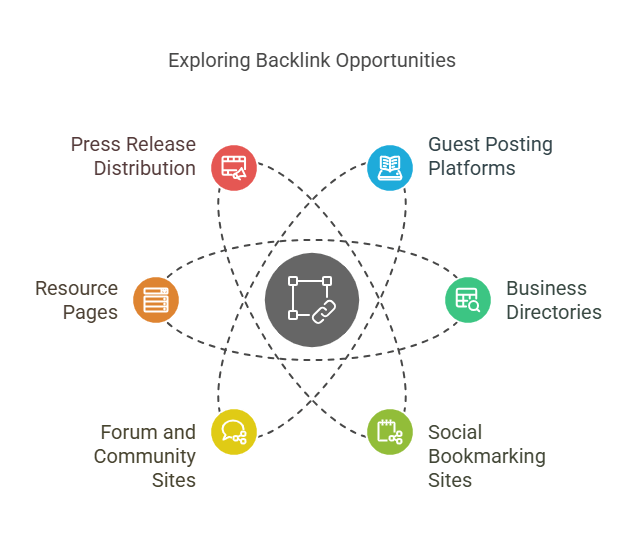
The evolution of GSA SER engine configurations in 2026 shows the broader modifications in the web. As websites end up being more protected and online search engine end up being more critical, the tools utilized for link building should end up being more accurate. Success is no longer about the sheer volume of submissions but about the technical quality of each private interaction. By focusing on the details of engine files, proxy management, and AI integration, operators can maintain a significant advantage in their digital marketing efforts. The software application remains a powerful property, but its power is just as good as the guidelines supplied by its setup.
Technical skill in customizing these internal files has actually become a primary differentiator in the industry. Those who can compose their own regular expressions and understand the circulation of a web request are seeing much higher returns than those who count on default settings. The future of automation depends on this mix of software power and human technical proficiency, making sure that every submission is as precise as possible. As web standards continue to alter, the engines within GSA SER will require to be continuously fine-tuned, making the function of the setup specialist more vital than ever before in the 2026 digital environment.